AIEnhanced Personalized Shopping Assistant Circuit Diagram In the ever-evolving landscape of e-commerce, providing customers with personalized and immediate assistance is paramount. Amazon's answer to this need is Rufus, a shopping assistant powered by generative AI.Rufus helps customers make informed shopping decisions by answering a wide range of questions within the Amazon app, effectively simulating the experience of interacting with a

Key steps to developing your AI shopping assistant Step 1: define your goals. Start by identifying what your AI shopping assistant will achieve. Consider these goals: Enhancing customer engagement through personalized product recommendations. Reducing cart abandonment rates by addressing user concerns in real time.

How to Create a Personal Shopping Assistant App? Circuit Diagram
Smart Retail Assistant Generated by AI Introduction. In today's fast-paced retail landscape, delivering exceptional customer service while enabling personalized shopping experiences is paramount. Real-time Interaction: AI assistants can engage with customers in real-time, answering queries and providing support, which enhances the overall shopping experience. How to Create a Virtual Shopping Assistant with AI. To develop a virtual shopping assistant, retailers can follow these steps: The rise of online shopping has intensified the demand for personalized shopping experiences and round-the-clock support. This is where chatbots, powered by Large Language Models (LLMs), step in. In this blog post, we'll explore how to create an efficient e-commerce shopping assistant using LLMs, examine why such chatbots are essential and
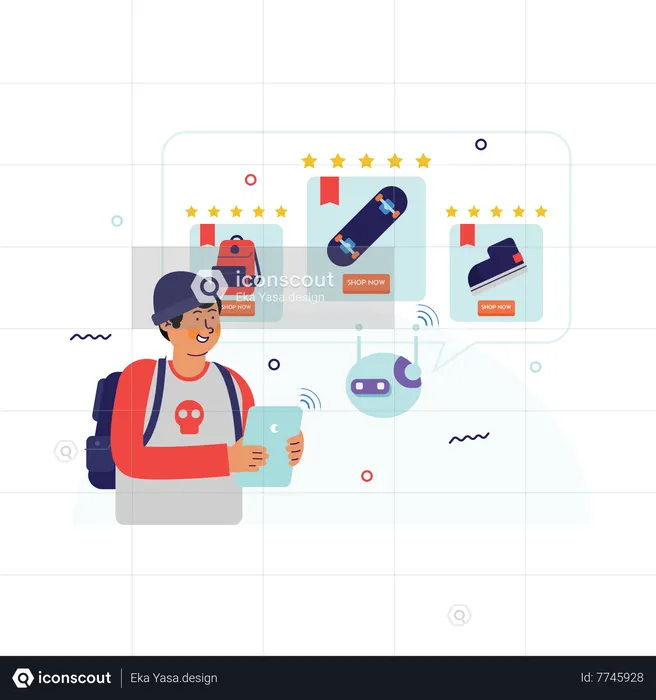
You've probably heard about the solution called Mona - an AI-powered personal shopping assistant. It is such a handy solution that it does all the job for the customers. It makes your shopping personalized. That means a real-time check of data proposed by intelligent assistant by human admins. In the meantime, thanks to computer
Powered Personal Shopping Assistant App Development Circuit Diagram
Creating an AI-powered shopping assistant application can cost between $30,000 to $300,000. This broad range is influenced by the app's general functionality, features, and complexity. A basic AI shopping assistant app should cost between $30,000 to $80,000. This would include necessary elements like basic AI skills and product suggestions.